
In this article
- 1. Why Is Everyone in Hong Kong Using FPS?
- 2. How Does the Faster Payment System (FPS) Actually Work?
- 3. Why Did Hong Kong Need the Faster Payment System (FPS)?
- 4. Why Do So Many Small Businesses Prefer FPS Payments Now?
- 5. Has FPS Changed the Way People Spend and Transfer Money?
- 6. Is the Faster Payment System (FPS) Completely Safe?
- 7. FPS Frequently Asked Questions
Why Is Everyone in Hong Kong Using FPS?
Not long ago, sending money in Hong Kong could feel surprisingly inconvenient. If someone owed you money after dinner, chances were they would either hand you cash later or tell you, “I’ll transfer it tomorrow.” Businesses had their own frustrations too. Payments took time to clear, transfers depended on banking hours, and weekends often delayed everything further.
Then the Faster Payment System (FPS) arrived and quietly changed the rhythm of daily life.
Today, people transfer money while standing in a taxi queue, paying for second-hand items online, or splitting lunch bills at a cha chaan teng. It has become so normal that most users rarely stop to think about how much things have changed in just a few years.
The interesting part is that FPS did more than speed up payments. It changed how people think about money itself. Waiting has slowly disappeared from everyday transactions, and that shift has had a much bigger impact on Hong Kong than many realize.
How Does the Faster Payment System (FPS) Actually Work?
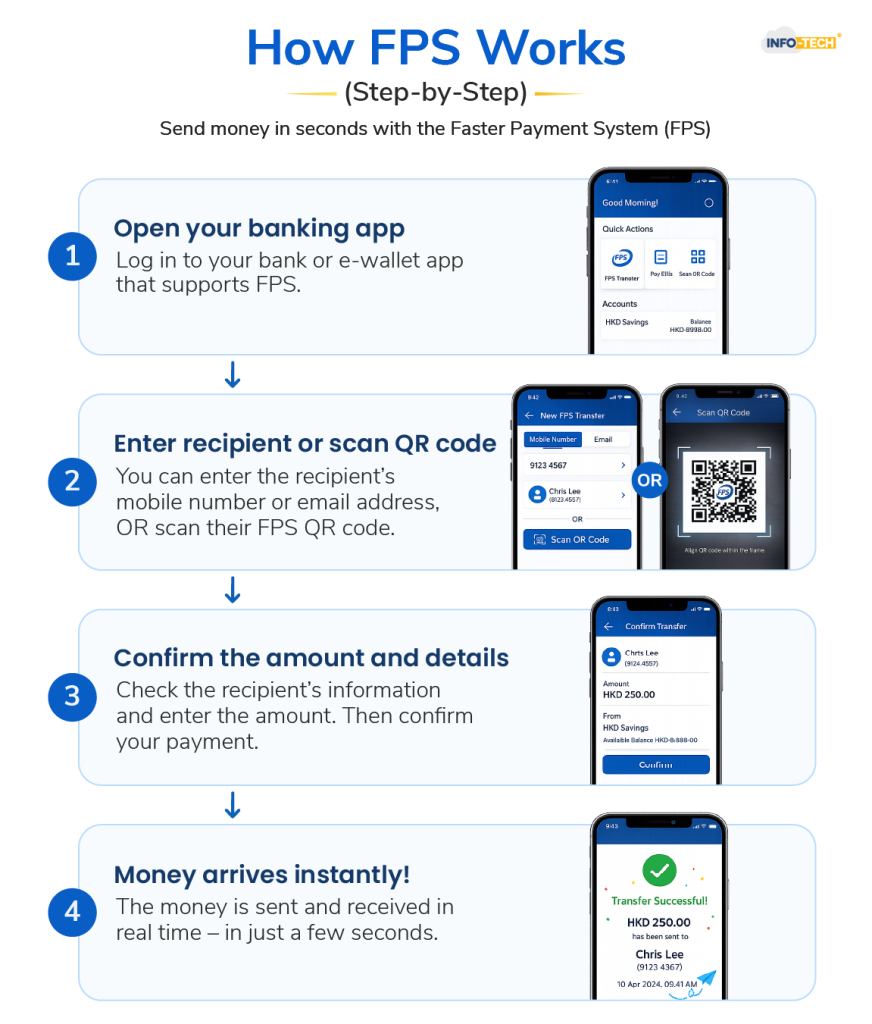
The idea behind the Faster Payment System (FPS) is simple. Instead of waiting hours or even days for banks to process transfers, FPS allows money to move almost instantly between participating banks and e-wallets.
People no longer need to remember long account numbers either. A mobile number, email address, or QR code is often enough to send or receive money.
What makes FPS feel different from older banking systems is that it fits naturally into everyday life. You can send money at midnight, during public holidays, or on a Sunday afternoon without thinking about “bank operating hours.” That may sound small, but it completely changed user expectations.
Before FPS, people adjusted their lives around banks. Now the system works around people.
Why Did Hong Kong Need the Faster Payment System (FPS)?
Hong Kong is one of the world’s biggest financial centres, but for years, everyday digital payments felt oddly behind. While cities across mainland China quickly embraced mobile payments, Hong Kong still relied heavily on cash, physical cards, and traditional transfers.
There was a growing gap between how fast technology was moving and how slowly money was moving.
The Faster Payment System (FPS) arrived at the right time because consumer habits were already changing. More people were shopping online, using mobile banking apps, and expecting services to happen instantly. Businesses also wanted faster ways to receive payments without expensive processing systems.
FPS became the missing link between traditional banking and modern digital behaviour.
Instead of forcing people to adapt to banking limitations, the system adapted to the way people already lived.
Why Do So Many Small Businesses Prefer FPS Payments Now?
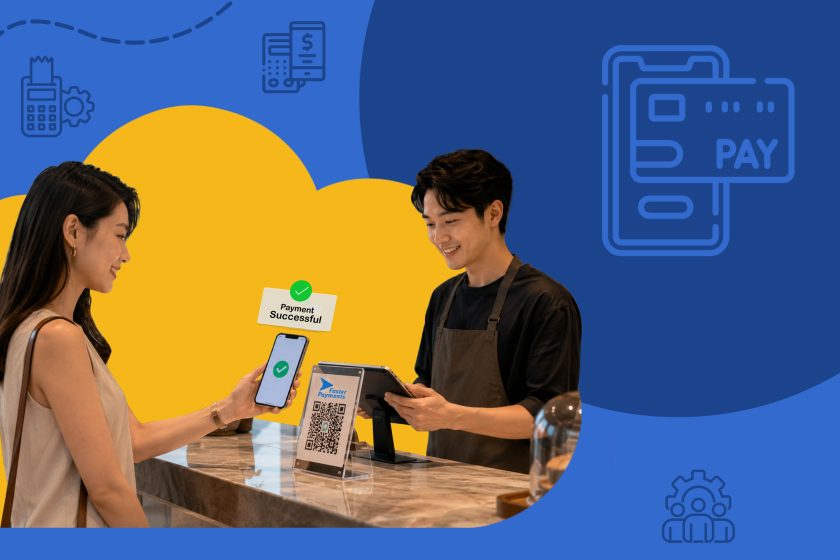
Walk through local markets, cafés, salons, or small retail shops in Hong Kong today and you will notice something interesting. Many businesses now display FPS QR codes near the cashier.
There is a reason for that.
Traditional card payment systems often come with transaction fees, hardware costs, and settlement delays. For large corporations, these costs may be manageable. For smaller businesses, every percentage matters.
With the Faster Payment System (FPS), payments often arrive much faster, and businesses can access their money sooner. That matters more than most people think.
A small restaurant owner buying fresh ingredients daily cannot always afford to wait days for payments to clear. A freelance designer wants immediate confirmation that a client has paid. An online seller shipping products needs quick payment verification before delivery.
FPS helps solve those real-world problems quietly in the background.
This is one reason the system spread so quickly across Hong Kong. It was not just about convenience. It genuinely made daily business operations easier.
Has FPS Changed the Way People Spend and Transfer Money?
In many ways, yes.
Before instant payments became normal, people often delayed transfers because the process felt inconvenient. Friends would remind each other repeatedly about unpaid dinner bills. Some people even avoided small repayments because transferring money felt like too much effort.
The Faster Payment System (FPS) removed that friction.
Now, money moves the moment people think about it. A parent sends allowance instantly. Colleagues split a birthday gift in seconds. Someone selling furniture online receives payment before the buyer even leaves.
That speed has subtly changed financial behaviour.
People are becoming more comfortable with cashless transactions because the process feels natural rather than formal. Payments now happen almost as casually as sending a message. Also, companies are increasingly relying on connected platforms like payroll software, that support faster payment processing and smoother financial operations alongside FPS transactions.
Is the Faster Payment System (FPS) Completely Safe?
This is where the conversation becomes more serious.
While FPS made payments easier, it also created new opportunities for scams. The faster money moves, the harder it becomes to reverse mistakes.
Scammers quickly adapted. Fake payment screenshots, phishing messages, fraudulent QR codes, and impersonation scams started appearing more frequently. Some victims transferred money within seconds without realizing they had been tricked.
But the problem is not really FPS itself. The issue is human behaviour.
The speed of instant payments creates urgency, and scammers rely heavily on emotional pressure. They want people to act before thinking carefully.
That is why awareness matters more today than ever before. Users should always double-check names, verify requests, and avoid rushing transactions just because someone claims it is “urgent.”
The convenience of the Faster Payment System (FPS) comes with a new kind of responsibility: slowing down mentally even when payments move quickly.
Could FPS Completely Replace Cash in Hong Kong One Day?
Probably not entirely, at least not anytime soon.
Cash still holds cultural and practical importance in Hong Kong. Many older residents prefer physical money, and certain traditional businesses continue operating mainly through cash transactions.
But there is no denying that digital payments are becoming part of daily life much faster than before.
Younger consumers especially are growing up in an environment where instant transfers feel completely normal. For them, splitting bills through FPS feels easier than searching for exact change.
The Faster Payment System (FPS) has also made digital payments feel less intimidating because people can use their existing bank accounts instead of signing up for unfamiliar systems.
That familiarity helped build trust.
Rather than forcing a dramatic cashless revolution, FPS quietly blended digital payments into ordinary life.
And sometimes, the biggest changes happen that way — gradually, almost unnoticed, until suddenly everyone realizes the old habits are disappearing.
FPS Frequently Asked Questions
What is the Faster Payment System (FPS) in Hong Kong?
The Faster Payment System (FPS) is a real-time payment platform launched by the Hong Kong Monetary Authority (HKMA). It allows people and businesses to transfer money instantly between banks and e-wallets using mobile numbers, email addresses, or QR codes.
Is FPS free to use in Hong Kong?
Most banks and payment providers in Hong Kong offer FPS transfers without additional charges for personal use. However, some business-related transactions or special services may come with fees depending on the provider.
How long does an FPS transfer take?
FPS transfers are usually completed within seconds. Unlike traditional bank transfers, FPS works 24/7, including weekends and public holidays.
Is the Faster Payment System (FPS) safe?
FPS is generally secure, but users should remain cautious of scams, fake payment requests, and phishing messages. Always verify recipient details before sending money because instant transfers can be difficult to reverse.
