
There’s a moment most people reach at some point in their career. You’ve been doing the work, maybe even more than what your role originally required, and the thought starts sitting quietly in the back of your mind:
“Should I be earning more than this?”
The question itself isn’t difficult. What makes it uncomfortable is everything around it—how to bring it up, how it will be received, and whether it might backfire.
In Hong Kong’s 2026 job market, this conversation isn’t unusual anymore. Costs have gone up, expectations at work have shifted, and companies are more aware that retaining people is often harder than hiring them. Still, that doesn’t mean you can walk into a room and casually ask for a raise. There’s a way to approach it that makes the conversation feel reasonable rather than confrontational.
It Usually Starts Before the Conversation Happens
Most people think salary negotiation begins with scheduling a meeting.
It doesn’t.
It starts earlier—when you take a step back and look at your own role properly. Not just your job title, but what you actually do day to day.
Sometimes the difference is quite obvious. You may have taken on responsibilities that were never part of your original scope. Or you’ve become the person others rely on when something needs to be handled properly. In some cases, your output has simply improved over time, even if your title hasn’t changed.
That’s where your case comes from—not from how long you’ve stayed, but from how your role has evolved.
The Market Around You Matters More Than You Think
It’s easy to assume your salary is only about your company. It isn’t.
In Hong Kong, especially in 2026, salaries are influenced heavily by what the market is doing. Some industries are actively competing for talent, while others are holding back due to tighter budgets.
Before asking for a raise, it helps to have a rough sense of:
- What similar roles are paying
- How in-demand your skills are
- Whether companies are hiring aggressively in your field
This doesn’t mean you walk into the conversation quoting numbers from job portals. But it changes how you speak. You sound informed, not speculative.
The Way You Bring It Up Sets the Tone
This is where people either overcomplicate things or avoid the topic entirely.
There’s no need to make the conversation dramatic or overly formal. At the same time, being too casual can make it seem like an afterthought.
A straightforward approach tends to work best. Something simple, like wanting to review your role and how your compensation aligns with it, is usually enough to open the discussion.
What matters more is how you say it—calm, clear, and without hesitation. If you sound unsure, the conversation becomes unsure.
You Don’t Need to “Sell Yourself”
There’s a common idea that you need to pitch yourself aggressively when asking for a raise.
In reality, that often works against you.
It’s better to walk through your contributions in a grounded way. Not exaggerated, not overly modest either. Just clear.
You might refer to:
- Projects you’ve handled from start to finish
- Situations where you took initiative
- Measurable results, if they’re available
The goal isn’t to impress. It’s to make it easy for your manager to see your value without having to guess.
Don’t Expect the Conversation to End in One Meeting
This part catches people off guard.
Even when the discussion goes well, the outcome isn’t always immediate. In many companies, especially in Hong Kong, salary adjustments involve internal approvals, budget considerations, and timing cycles.
So if you don’t get a direct answer on the spot, it doesn’t necessarily mean no.
What matters is what comes next. If your manager says it needs time, you can ask what the process looks like or when it can be revisited. That keeps the conversation active instead of leaving it hanging.
Confidence Isn’t About Personality
Some people are naturally comfortable having these conversations. Most aren’t.
Confidence here doesn’t come from being outspoken. It comes from being prepared.
When you know:
- What you’ve contributed
- How your role has changed
- Where you stand in the market
…you don’t need to force confidence. It shows up on its own.
A Quick Reality of the 2026 Market
If there’s one thing worth keeping in mind, it’s this: companies are being careful, but they’re also paying attention.
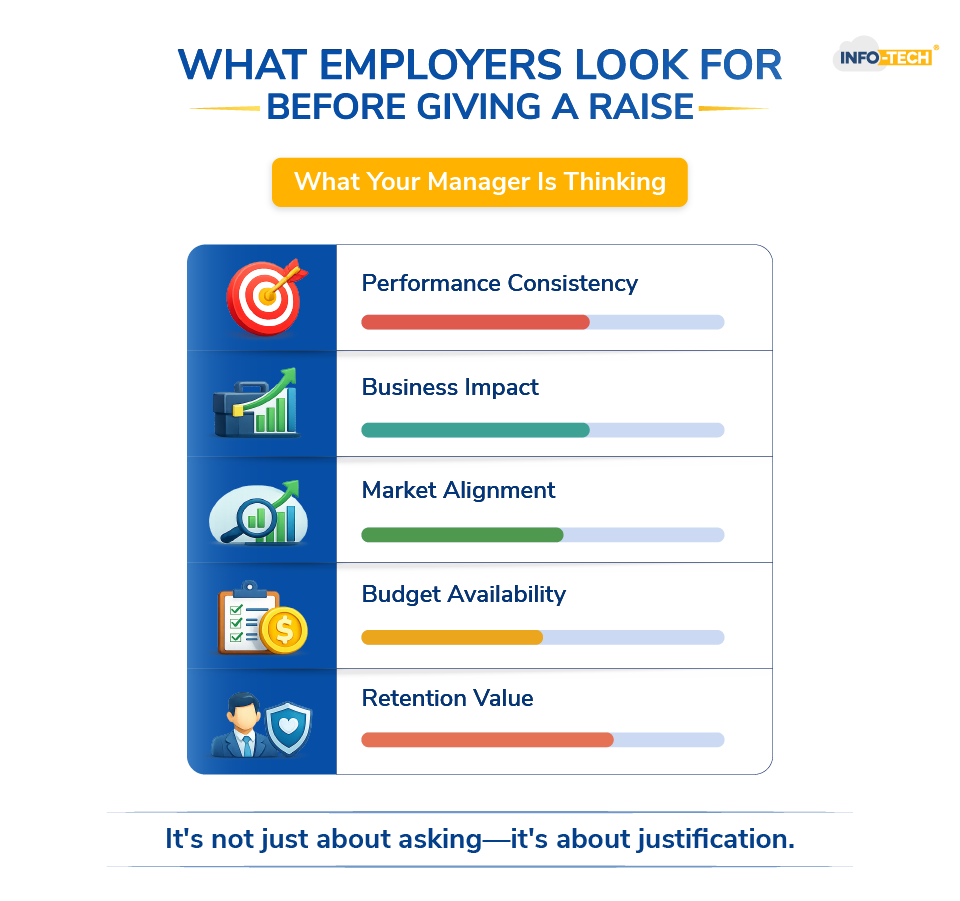
Budgets are tighter in some areas, but losing capable employees is costly too. That creates a situation where raises are possible, but usually tied closely to performance and impact.
So the conversation isn’t about asking for more just because—it’s about showing why it makes sense.
Final Thought
Salary negotiation isn’t as risky as it feels, but it does require a bit of clarity and timing.
Handled properly by HRs with the right payroll software, it doesn’t come across as demanding. It feels like a reasonable discussion about your role and how it has grown.
And in today’s market, that’s a conversation more people are having, just not everyone is having it the right way.
Salary Negotiation FAQs
When is the best time to ask for a pay raise in Hong Kong?
The best time is usually after you’ve delivered strong results or taken on more responsibility. Performance reviews are ideal, but not the only option. If you’ve recently completed a major project or your role has clearly expanded, that’s also a good time. Avoid asking during company downturns or budget cuts.
How do I know if I deserve a salary increase?
It usually comes down to how your role has changed. If you’re handling more responsibility, contributing to results, or performing consistently above expectations, it’s reasonable to review your salary. It’s less about how long you’ve been in the role and more about the value you’re bringing now compared to before.
What should I prepare before salary negotiation?
It helps to walk in with a clear picture of your contributions. Think about recent achievements, added responsibilities, and any measurable results. It’s also useful to have a rough idea of market salary ranges in Hong Kong so your request feels grounded and realistic.
How should I ask for a pay raise professionally?
Keep it simple and direct. You don’t need a long explanation. A short conversation where you mention reviewing your role and compensation is enough to start. From there, you can explain how your responsibilities or contributions have changed and why you’re bringing up the discussion.
