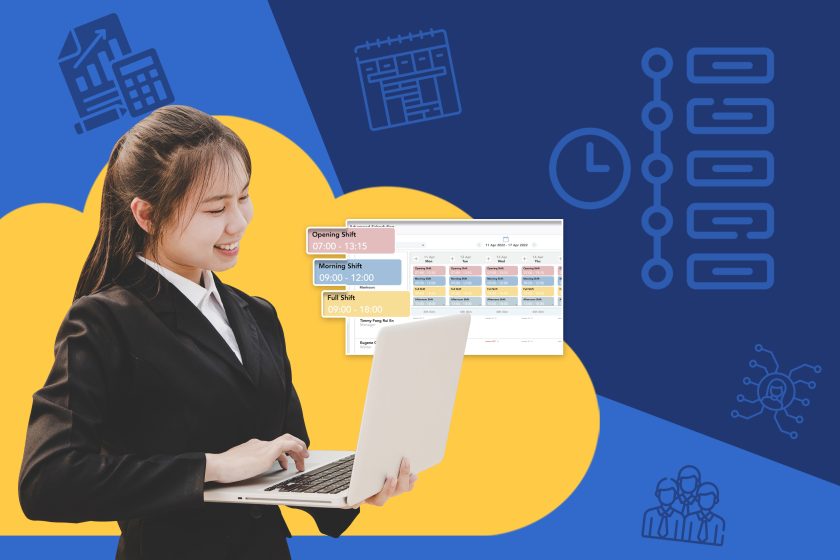
Running a small business involves managing appointments, staff schedules, customer needs, and daily tasks—often with limited means. As companies expand, using phone calls, paper planners, or spreadsheets becomes less effective and more prone to mistakes. Skipped appointments overlapping bookings, and sudden schedule changes can hurt income and make customers unhappy.
This is where e-scheduling software apps have a clear impact. By moving appointment and staff scheduling online small businesses can improve their operations cut down on paperwork, and give customers a better experience. In 2026, e-scheduling isn’t just a bonus—it’s a key tool to help small businesses grow.
This guide explains how e-scheduling software boosts business productivity, the main advantages for small businesses, and why early adoption leads to long-term operational gains.
What Is E-Scheduling Software?
E-scheduling software is a digital system that helps businesses manage appointments, staff schedules, and availability online. Customers can book, change, or cancel appointments through a website or mobile app, while business owners and employees can access up-to-date schedules from any location.
New e-scheduling tools work well with HRMS, payroll, attendance, and CRM systems—creating a linked business management environment.
How E-Scheduling Reduces Administrative Work?
Scheduling by hand eats up a lot of time. Taking phone calls changing calendars verifying reservations, and dealing with no-shows often keeps employees from doing tasks that make money.
Online booking software does these everyday jobs without help by:
- Taking care of bookings, changes, and cancellations on its own
- Stopping double bookings by checking what’s open right now
- Sending automatic confirmations and reminders
Take small shops, beauty parlors, doctor’s offices, and service businesses as an example. They often say they get way fewer calls each day after switching to online booking. This lets employees pay attention to customers instead of calendars.
Also, Refer:- Pros And Cons Of Using E-Scheduling Software In Optimising Healthcare Industry.
What are Its Benefits in Schedule Changes?
A major benefit of digital scheduling tools is seeing schedules in real time. Schedules update right away on all devices—whether you check on your phone, tablet, or computer.
This means:
- Employees see new shifts right away
- Employers can tweak schedules when it’s busy
- Clients get alerts about changes right away
Being able to check schedules anytime is helpful for small companies that need flexible staffing or stay open late.
Better Customer Experience and Involvement
- Book Appointments Anytime, Day or Night
Customers these days want things to be easy. E-scheduling apps let them make appointments whenever they want, without having to wait for a business to open or someone to pick up the phone. This helps a lot in areas like healthcare, restaurants personal services, and professional advice.
When businesses start letting employees’ book online, they often see more appointments get made. This happens because it’s just so much easier to book.
- Automatic Messages and Reminders
Sending reminders helps cut down on no-shows—which often cost small businesses money. E-scheduling systems send reminders by email or text keeping customers in the loop and interested.
As time goes on, this builds trust, makes customers more likely to show up, and encourages them to come back.
Related reading: Know More: The Basics Of E-Scheduling Software For Your Business Management System).
Cost-Effectiveness and Better Resource Optimisation
- Lower Operational Costs
E-scheduling cuts the need for staff dedicated to booking management. Fewer scheduling mistakes also lead to less time waste and smaller revenue losses from missed appointments.
Small businesses often put these saved hours back into customer service, sales, or planning for the future.
- Smarter Resource Allocation
Advanced e-scheduling platforms offer insights into busy times, staff use, and service demand. This allows businesses to:
When paired with Info-Tech Mobile Attendance & Payroll Software, businesses can link scheduling to wage calculations and labor law compliance.
Scalability and Flexibility for Growing Businesses
When booking numbers go up old-school scheduling methods fall apart. Online booking apps grow with you—whether you handle 10 appointments a week or 1,000.
Most systems also let you:
- Set up custom booking rules for different services or staff roles
- Connect with payment systems and customer databases
- Expand to multiple locations
This adaptability means small businesses don’t have to change their entire system every time they expand.
Data-Driven Insights to Make Better Decisions
Online booking software gathers useful business info such as:
- How often and when bookings happen
- Which services and times are popular
- How customers behave and how often they come back
These insights allow business owners to fine-tune their pricing, staffing, and marketing plans. Many platforms have built-in feedback tools, which help businesses keep getting better.
What is the Importance of Security and Data Privacy for Small Businesses?
Protecting customer and staff data is a must. Good e-scheduling platforms follow data protection rules like GDPR and local privacy laws.
Common security features include:
- Data storage with encryption
- Controls that limit access based on roles
- Safe cloud backups
This keeps customer trust and business reputation safe.
Final Thoughts
E-scheduling software now acts as more than just a scheduling tool—it drives business productivity. When it links to HRMS, payroll, and mobile attendance systems, it creates a smooth operational flow that allows small businesses to compete, grow, and expand with assurance.
If you plan to upgrade your scheduling process, Info-Tech’s E-Scheduling Software provides a flexible, scalable solution designed for small and growing businesses.
Contact Us For a Free Demo!
Benefits of E-Scheduling FAQs
How does e-scheduling software help small businesses?
It makes things run smoother. E-scheduling books appointments automatically, cuts down on mistakes, frees up staff time, and keeps customers happy.
Can very small businesses use e-scheduling too?
Yes. Even one-person shops and tiny businesses see fewer no-shows, stay more organized, and look more professional to customers.
Can e-scheduling integrate with payroll and HRMS software?
Up-to-date platforms connect with HRMS, attendance, and payroll programs letting schedules match up with employee hours and pay calculations.
Does e-scheduling help reduce no-shows?
Yes. Automatic reminders and confirmations cut down on missed appointments and lost income.
